
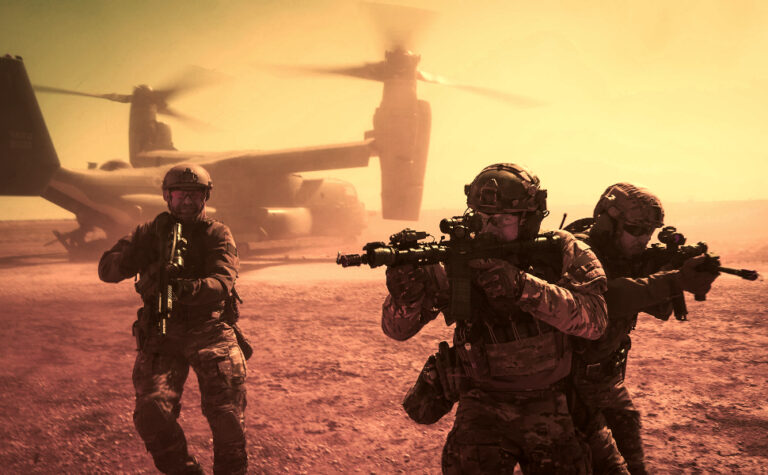
Kirkland Finn, the fictional British SAS Captain featured in Andy Munro’s thriller series of books, is portrayed as an exceptionally skilled and versatile operative in both military and covert intelligence operations. His effectiveness in undercover missions arises from a combination of professional training, personal discipline, and strategic adaptability. Key elements of Finn’s operational methodology include:
- Elite Special Forces Training – Finn is a Captain in the 22nd Special Air Service (SAS), a regiment renowned for counterterrorism, reconnaissance, and direct action missions. His unit, consisting of sixteen highly trained soldiers, specialized in surveillance, hostages recovery, targeting terrorist groups, and tactical support. Hands-on combat experience equips him with the ability to handle weapons, close-quarter combat, and high-risk confrontations, crucial for mission survival.
- Undercover Adaptability – Finn seamlessly alternates between wearing military uniform and civilian disguise, depending on mission requirements. He integrates intelligence tradecraft such as blending into environments, maintaining a low profile, and cultivating backstory credibility. Psychological resilience allows him to remain emotionally detached, focusing on mission execution like a “machine tuned to perform at its best.”
- Operational Intelligence and Reconnaissance – Effective undercover work hinges on information gathering: Finn leverages surveillance, eavesdropping, and reconnaissance skills to track targets before direct engagement. Collaboration with MI6, CIA, FBI, and other allies broadens his access to intelligence networks, ensuring well-informed strategic moves.
- Problem-Solving and Tactical Decision-Making – Finn routinely handles complex scenarios such as infiltrating terrorist cells, recovering stolen weapons, or preventing biochemical threats. He demonstrates the ability to adapt tactics on the fly, often improvising in high-stakes situations where standard procedures fail.
- Lone Operative Efficiency – While effective within a team, Finn prefers solo operations when discretion and autonomy are critical. His self-reliance allows for fast, decisive action without bureaucratic delays, enhancing mission stealth and minimizing collateral exposure.
- Strategic Collaboration – He frequently partners with characters such as MI6 agent Mac or FBI agents for missions that require joint jurisdiction or specialized coordination. These collaborations are based on mutual trust, mission efficiency, and shared operational goals, allowing combined expertise while maintaining operational security.
- Risk Management and Expendability – Finn fully embraces mission risk, understanding that his role may be expendable for strategic gains, which allows him to undertake missions many would avoid. Ethical flexibility in mission execution enables him to complete objectives without unnecessary hesitation, balancing operational success against moral considerations.
- Rigorous Preparation and Continuous Learning – He pre-mission studies include environmental assessments, intelligence synthesis, and scenario planning. Past experiences, including exposure to international conflicts and complex extraterritorial missions, build a deep repertoire of adaptive operational knowledge.
Conclusion
Kirkland Finn executes undercover missions effectively through a synergy of elite military skills, psychological resilience, tactical flexibility, and intelligence acumen. His unique combination of independent decision-making, undercover adaptability, and tactical collaboration allows him to neutralize threats, recover sensitive assets, and achieve mission goals under extreme risk, cementing his portrayal as a consummate fictional covert operative. This methodology has been consistently highlighted across Andy Munro’s novels, including Finn’s Quest, Mind Force, and End of Existence, demonstrating both his ability to operate solo and the value of strategic partnerships with intelligence agencies.
The Kirkland Finn thriller series written by Andy Munro explore the challenges of covert operations where legality and ethics can conflict with mission objectives.
These pages are created as an in-depth analysis of Andy Munro’s Kirkland Finn books. They are provided to give an deep view of Finn and the other characters he interacts with. Have an opinion or suggestion? Use the Contact Form to send your comments direct to Author Andy Munro.